


Mis Favoritos
Guarda aquí las embarcaciones que te enamoran y con las que quieres navegar sin fin.
 4'
4'
Cuando hablamos de distancias en el mar, no usamos kilómetros ni millas terrestres, sino la milla náutica, una unidad de medida fundamental en la navegación marítima. Pero, ¿por qué se utiliza esta unidad y qué la hace tan especial?
En este artículo te explicamos qué es exactamente la milla náutica, su equivalencia, origen y la razón por la que sigue siendo la medida estándar en el mundo náutico.
La milla náutica es una unidad de distancia usada internacionalmente en navegación marítima y aérea. Equivale exactamente a:
Esta medida se basa en la circunferencia terrestre: una milla náutica equivale a un minuto de arco de latitud sobre la superficie de la Tierra.
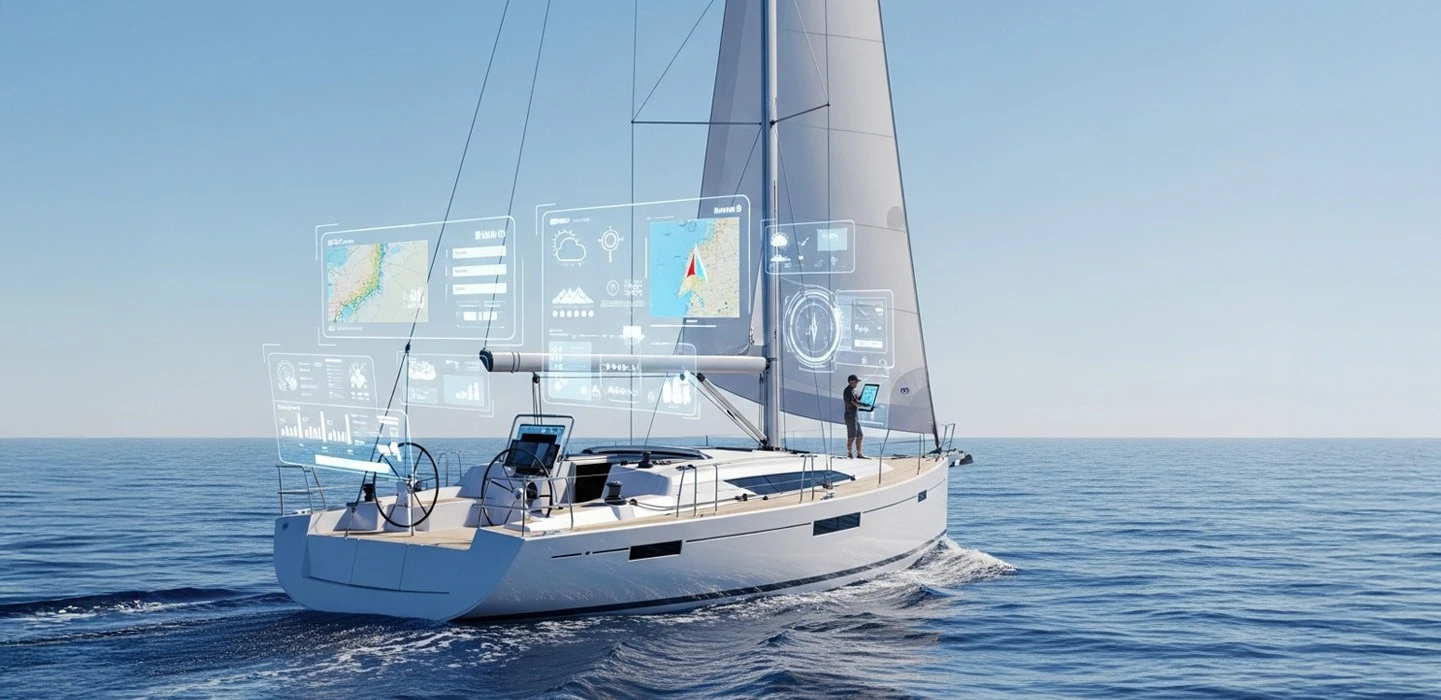
La milla náutica se adapta perfectamente a los sistemas de navegación basados en coordenadas geográficas. Como la Tierra se divide en grados, minutos y segundos, medir distancias con millas náuticas permite calcular rutas y posiciones con mayor precisión en las cartas náuticas.
Esto simplifica la navegación con cartas náuticas, facilitando la estimación de distancias y tiempos en el mar.
Kilómetro: Unidad del sistema métrico, común en tierra.
Milla terrestre: Utilizada en países anglosajones, equivale a 1.609 metros.
Milla náutica: Más larga, adaptada a la navegación por su relación directa con la latitud.
Relacionado con la milla náutica está el nudo, que es la unidad de velocidad en navegación.
Un nudo equivale a una milla náutica por hora.
La milla náutica no es solo una unidad de medida; es una herramienta clave para la navegación precisa y segura. Su uso facilita la interpretación de cartas náuticas, la planificación de rutas y la comunicación internacional en el mundo marítimo y aeronáutico.
📋 Para ayudarte a comprenderlo de forma rápida y clara, te dejamos una infografía descargable con los puntos clave sobre la milla náutica. Ideal para llevar a bordo o tener a mano como referencia durante la navegación.
Acceso VIP
al mundo náutico
Suscríbete y sé el primer@ en conocer ofertas, pruebas de mar y eventos exclusivos. Contenido útil y directo para navegantes exigentes.
Sin spam. Puedes darte de baja cuando quieras.