


My favourites
Easily save and review your favourite models and offers so you don't lose track of them.
 5'
5'
Interactions between orcas and boats in the Iberian Peninsula have become a major concern for sailors navigating the northeastern Atlantic. Since 2022, maritime authorities and scientific organizations have been collecting data to identify high-incidence areas, understand the behavior of these cetaceans, and establish clear safety protocols.
According to data collected by the Portuguese Hydrographic Institute, interactions between orcas and vessels from 2022 to 2025 are primarily concentrated along several well-defined areas of the Atlantic coast and southern peninsula. First, the coast of Galicia stands out, especially the southwestern stretch corresponding to the Rías Baixas, where a notable accumulation of incidents is observed near the estuaries and navigation zones close to the shore.
Further south, the Portuguese coast shows an almost continuous band of interactions. This stretches from northern Portugal at the border with Galicia, through the central Portuguese coast and the Lisbon area, down to the south of the country. Within Portugal, the Algarve is particularly significant, with numerous recorded incidents along the Algarve coast, especially in the western sector and near Cape St. Vincent.
Finally, the highest concentration of interactions is located around the Strait of Gibraltar, a key maritime transit area. This includes the Gulf of Cádiz, the Cape Trafalgar area, and the Bay of Cádiz.
All these areas coincide with the migratory routes of bluefin tuna, a common prey of this orca population, which explains their recurring presence near navigation routes.

According to the Portuguese Hydrographic Institute, the Navy, and the National Maritime Authority, nearly 60 encounters between orcas and vessels have been recorded off the Portuguese coast. In 2025 alone, 30 sightings and 24 direct interactions with boats were recorded. These data confirm that this is not an isolated occurrence but a recurrent and localized phenomenon.
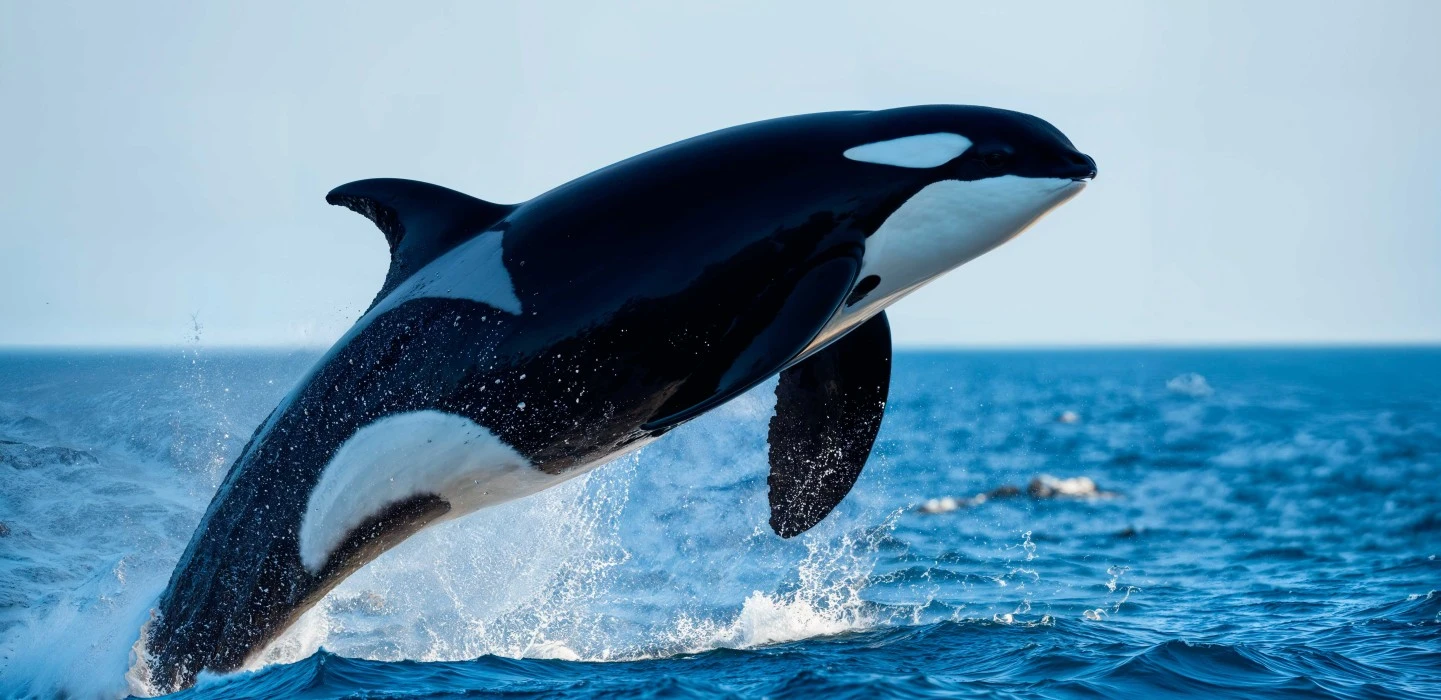
Despite the media impact of the term “orca attack,” the scientific community rules out intentional aggressive behavior. The orcas involved can weigh up to 11 tons, but observed behavior suggests their main interest is playing with the boat’s rudder rather than attacking the hull or crew.
Marine biologist Rui Rosa, a professor at the University of Lisbon, explains: “By interacting with the rudder, orcas change the direction of the boat, which captures their interest. If there were real aggressive intent, the intensity would be very different.” Therefore, the main risk for sailors is losing control of the steering system, not a direct impact from the animal.
The Portuguese Institute for Nature Conservation and Forests (ICNF) has established an official protocol to minimize risks:
Stop the boat if sea conditions allow
Leave the rudder free
Alternatively, sail backward continuously without sudden changes
Contact maritime authorities and report the sighting
Trying to escape can be counterproductive. Abrupt or evasive maneuvers may stimulate the animal’s interest. Experts recommend:
Lowering sails
Allowing the boat to drift
Avoiding sudden turns or accelerations
Requesting assistance if necessary
The main risk is losing steering in areas of heavy maritime traffic.
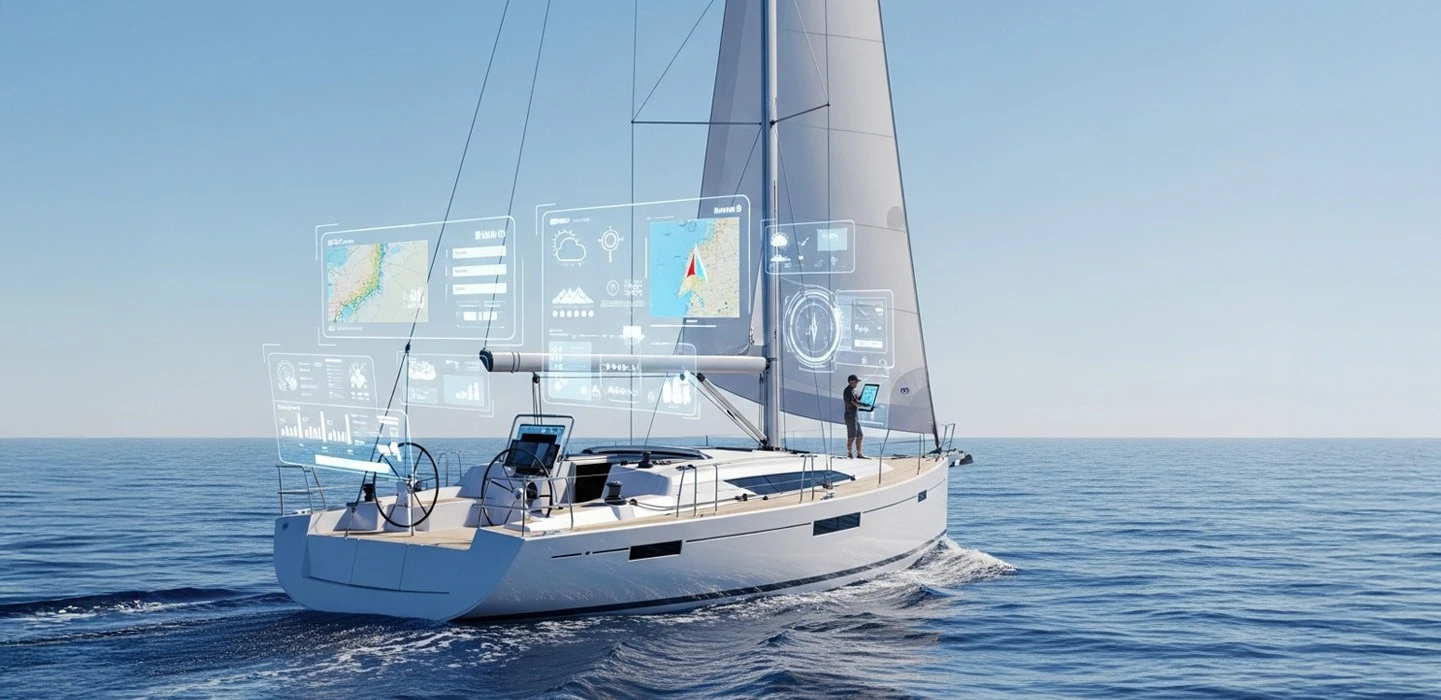
Before navigating high-incidence areas, it is recommended to consult collaborative apps such as GT Orcas, where sailors share recent sightings and interactions. This tool allows:
Planning safer routes
Avoiding areas with recent activity
Sailing with better awareness of the environment
Prevention doesn’t end with information. A well-maintained boat, especially the steering system and rudder, significantly reduces risks during any maritime incident.
At Hermanos Guasch, we assist sailors with the maintenance, inspection, and preparation of their vessels, aiming to ensure safety, reliability, and peace of mind on every voyage.
Interactions between orcas and boats in the Iberian Peninsula are a real, localized, and studied phenomenon. Sailing informed, following protocols, and keeping your boat in optimal condition are key to reducing risks and enjoying the sea safely.
If you have questions about your boat’s condition or need personalized technical advice, our team will be happy to assist you.
VIP access
to the world of boating
Subscribe and be the first to hear about offers, sea trials and exclusive events. Useful, straightforward content for discerning sailors.
No spam. Unsubscribe anytime.