


My favourites
Easily save and review your favourite models and offers so you don't lose track of them.
 3'
3'
When it comes to heading out to sea, many wonder: is it better to sail or motor? Both styles offer unique and distinct experiences, and the choice depends on your preferences, skills, and the type of trips you want to take.
In this article, we explore the main differences between sailing and motor boating, to help you decide which fits your nautical lifestyle best.
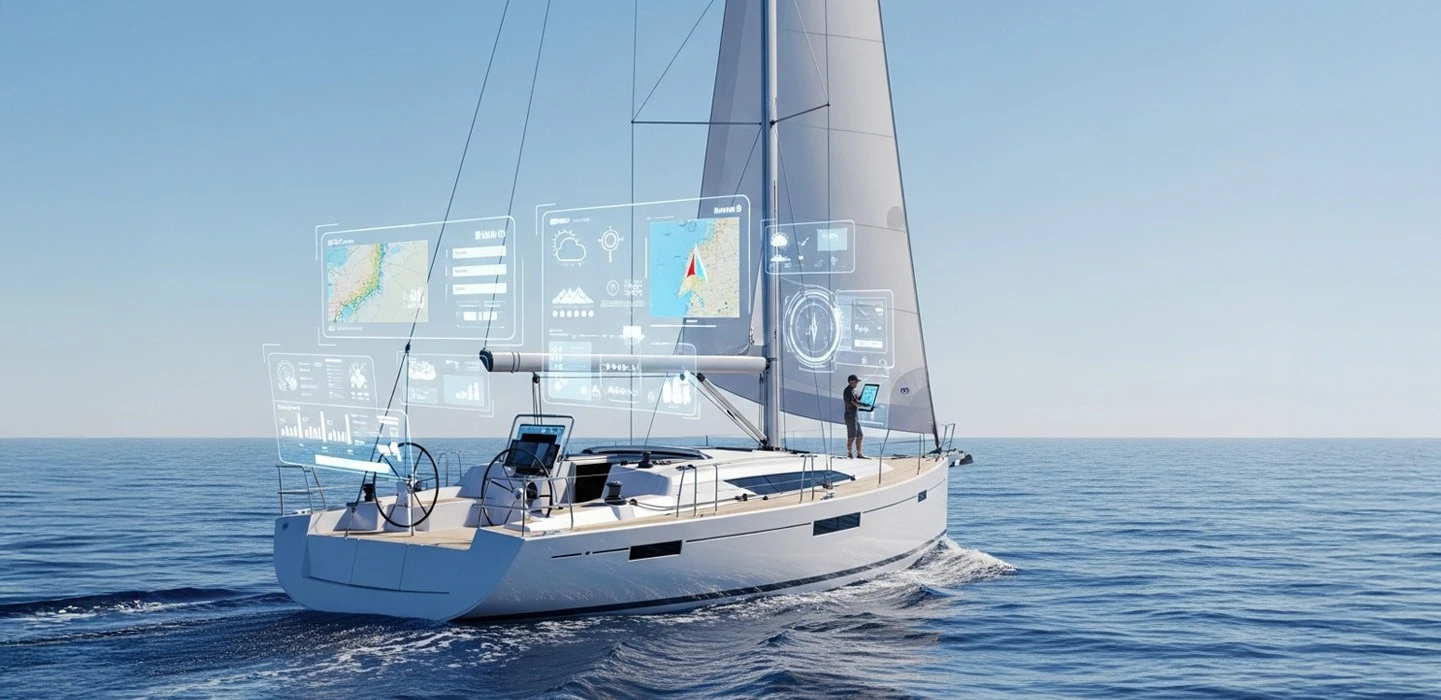
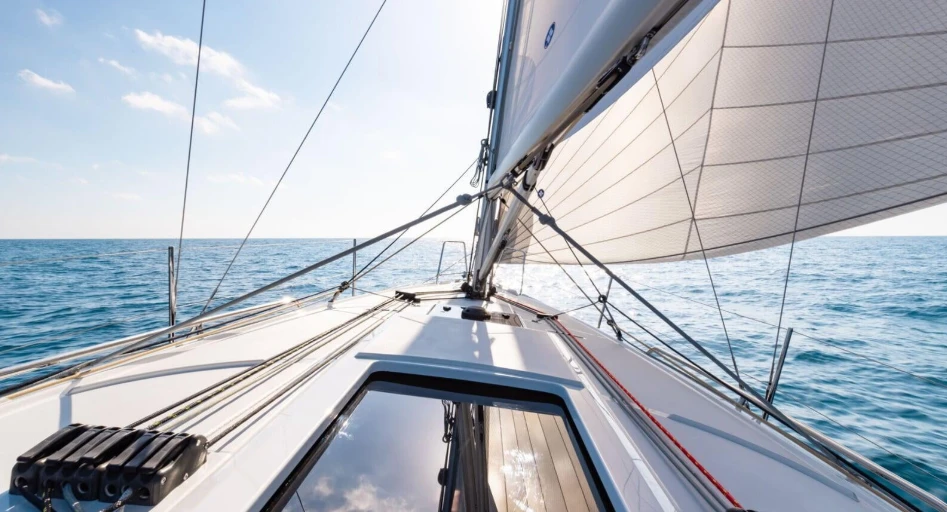
Sailing relies on the wind as a source of energy. It’s a sustainable, quiet form of navigation that requires knowledge of meteorology and sail trimming.
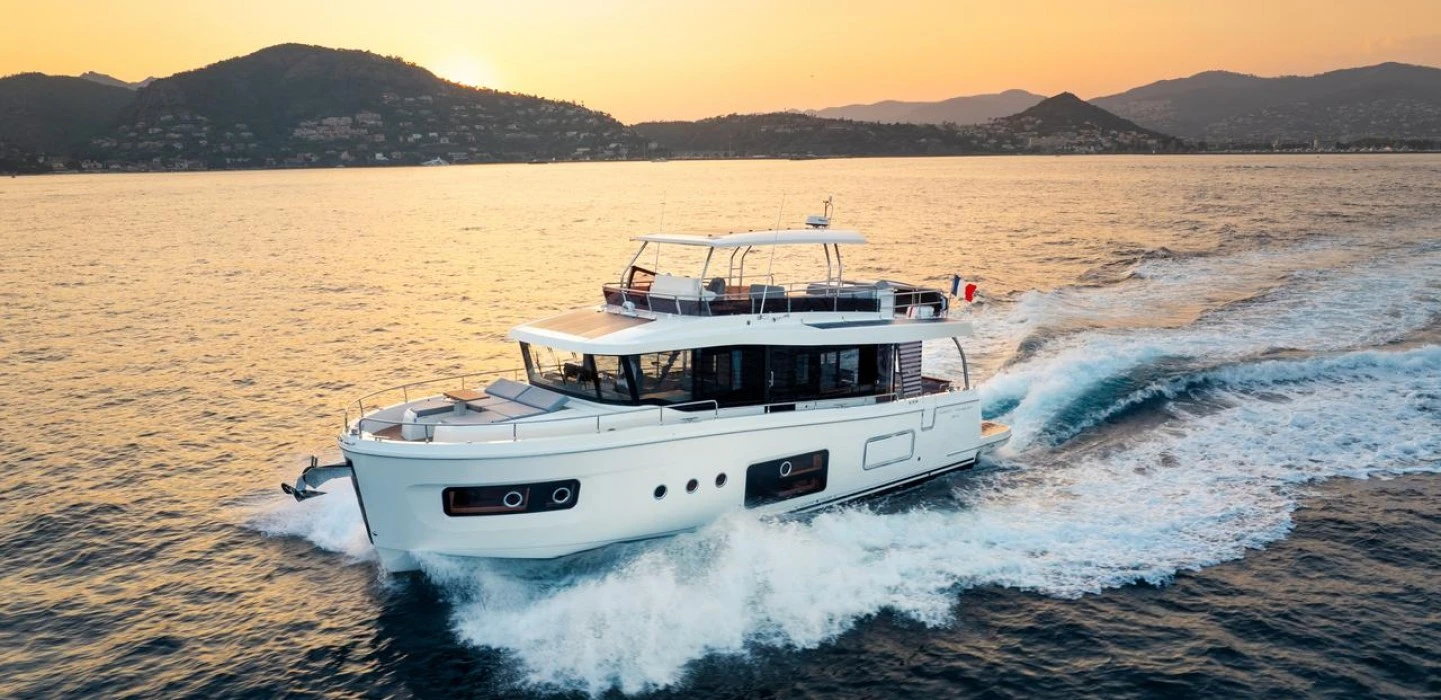
Motor boating uses a diesel or petrol engine, providing consistent speed and greater control, without relying on wind conditions.
Sailboats consume far less fuel, making them more eco-friendly and cost-effective in the long run.
Motorboats may require more fuel, although they offer greater autonomy without relying on the wind.
Sailing is a more active, technical, and challenging experience, ideal for those seeking a deep connection with the sea.
Motor boating is more direct and comfortable, designed for those who prioritize ease and speed of travel.
Motorboats are generally faster, ideal for long trips with tight schedules.
Sailboats are slower but allow for long journeys without relying on fuel, especially with favorable winds.
Sailboats usually require more attention to rigging, sails, and lines, but less spending on fuel.
Motorboats need more frequent mechanical maintenance but can be easier to handle for beginners.
If you love nature, the quiet of the wind, and seamanship, sailing is probably your style.
If you prefer comfort, speed, and greater control, then motor boating will suit you better.
Whatever your choice, the most important thing is to enjoy the sea safely and responsibly.
If you want to know which model best suits your navigation needs, try answering the 4 questions in our web assistant for a personalized recommendation.
VIP access
to the world of boating
Subscribe and be the first to hear about offers, sea trials and exclusive events. Useful, straightforward content for discerning sailors.
No spam. Unsubscribe anytime.